

johndoe@gmail.com

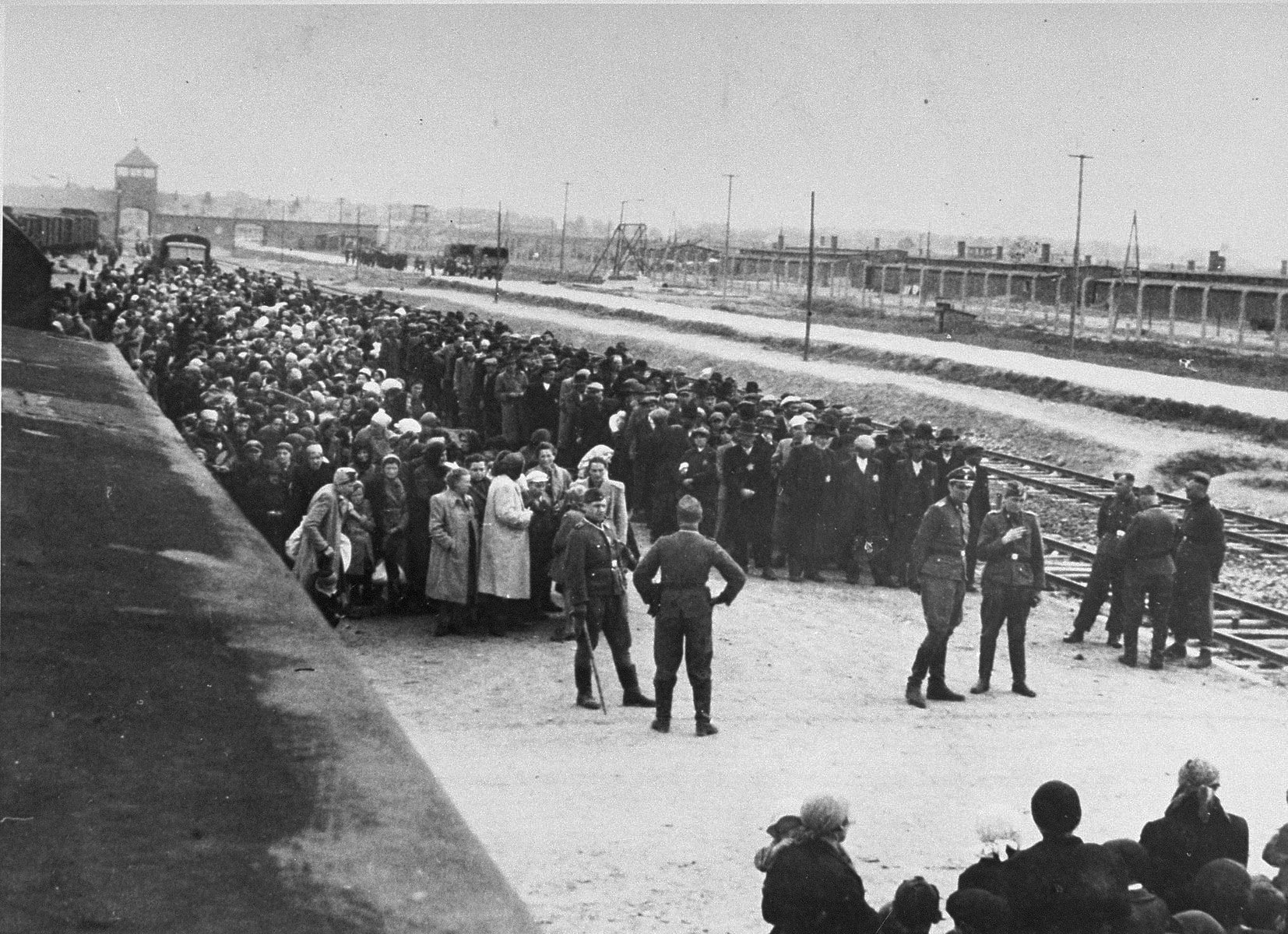
Holocaust History provides access to a rich collection of primary and secondary sources to support students and instructors to consider the events, impact and legacy of this difficult chapter of history. The reference works, first person accounts, archival documents, and more help to bring to life the voices and experiences of victims beyond the dominant historical narratives.
Students will not only gain an understanding of the events of the Holocaust, but of key topics such as racism, nationalism, extremism, and memory politics. The collection will also help them to develop key skills in historical interpretation, archival reading, and critical analysis.
Available via perpetual access purchase or subscription to institutions worldwide.
Features