



johndoe@gmail.com

Bloomsbury History’s unique combination of primary and secondary sources reveals how material culture and text work together to illuminate the past. Explore how archaeology deepens our understanding of history with the content below - all free to access until the end of May 2026.

Which do you think better helps us to understand past societies – written words, or uncovered objects? Read this chapter, Historical Archaeology – Beyond the ‘Evidence’, from Archaeology, Theory and the Middle Ages: Understanding the Early Medieval Past, part of the Bloomsbury Medieval Studies Core Collection and see if you agree.
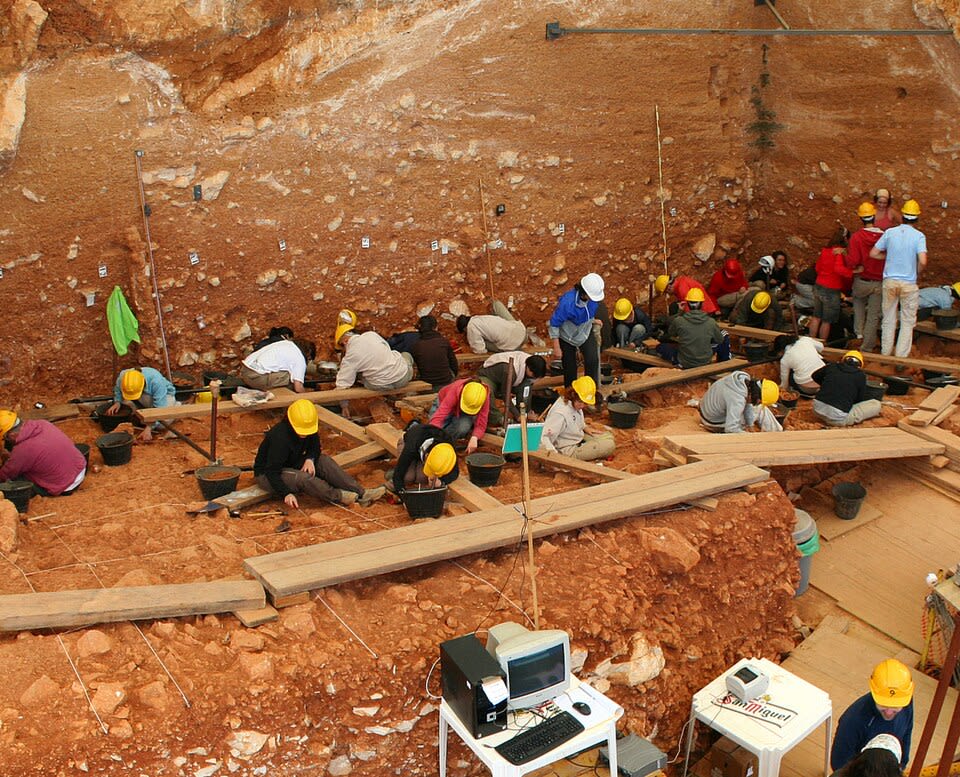
If we are at the ‘end of history’, then can the death of archaeology be far behind? What does presentism mean for history and archaeology and are we asking the right questions? Death and Archaeology in the Present, Tense, a chapter from Rethinking Historical Time, part of the Bloomsbury History: Theory & Method covers these questions and more.
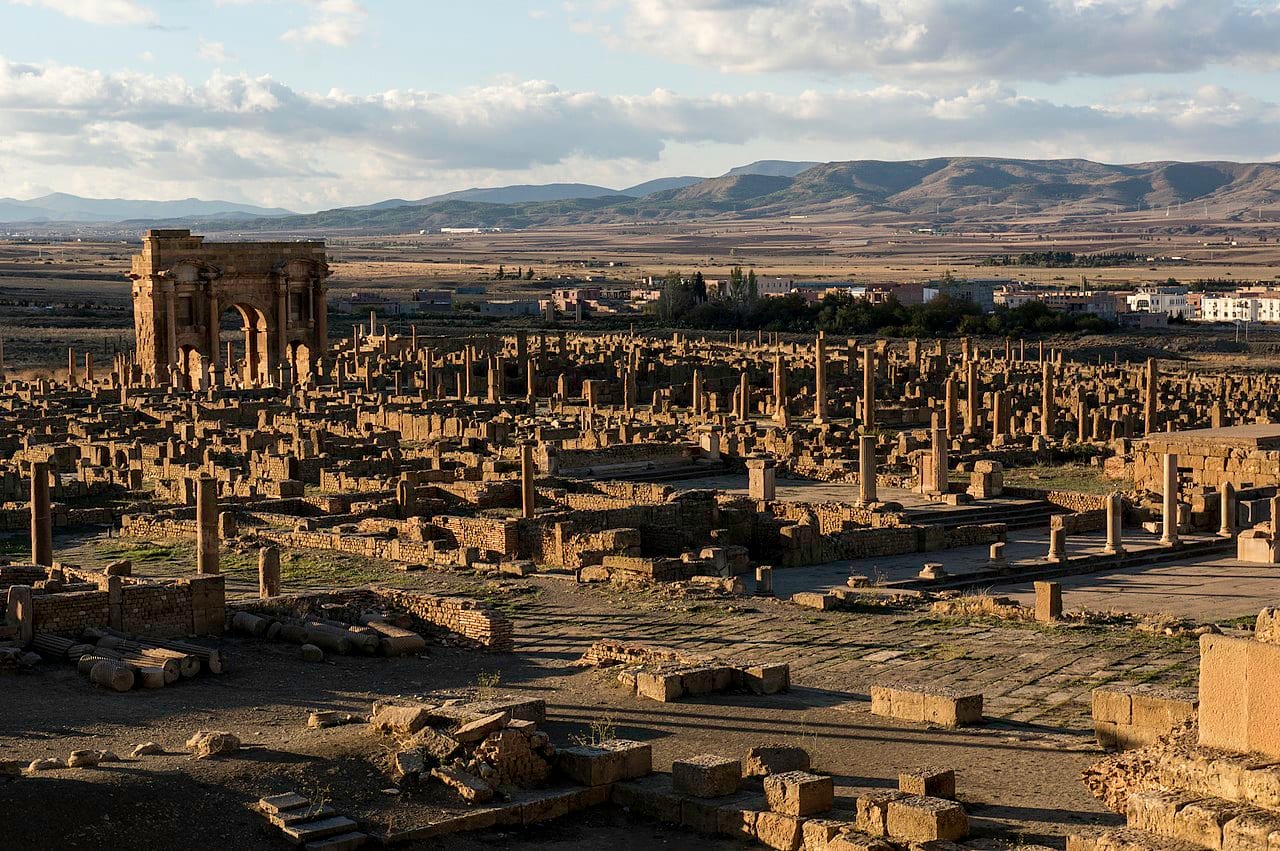
Discover Algeria’s prehistoric past and Roman ruins, read this entry on Archaeology from Historical Dictionary of Algeria, 4th Edition, part of the African History Reference Library.
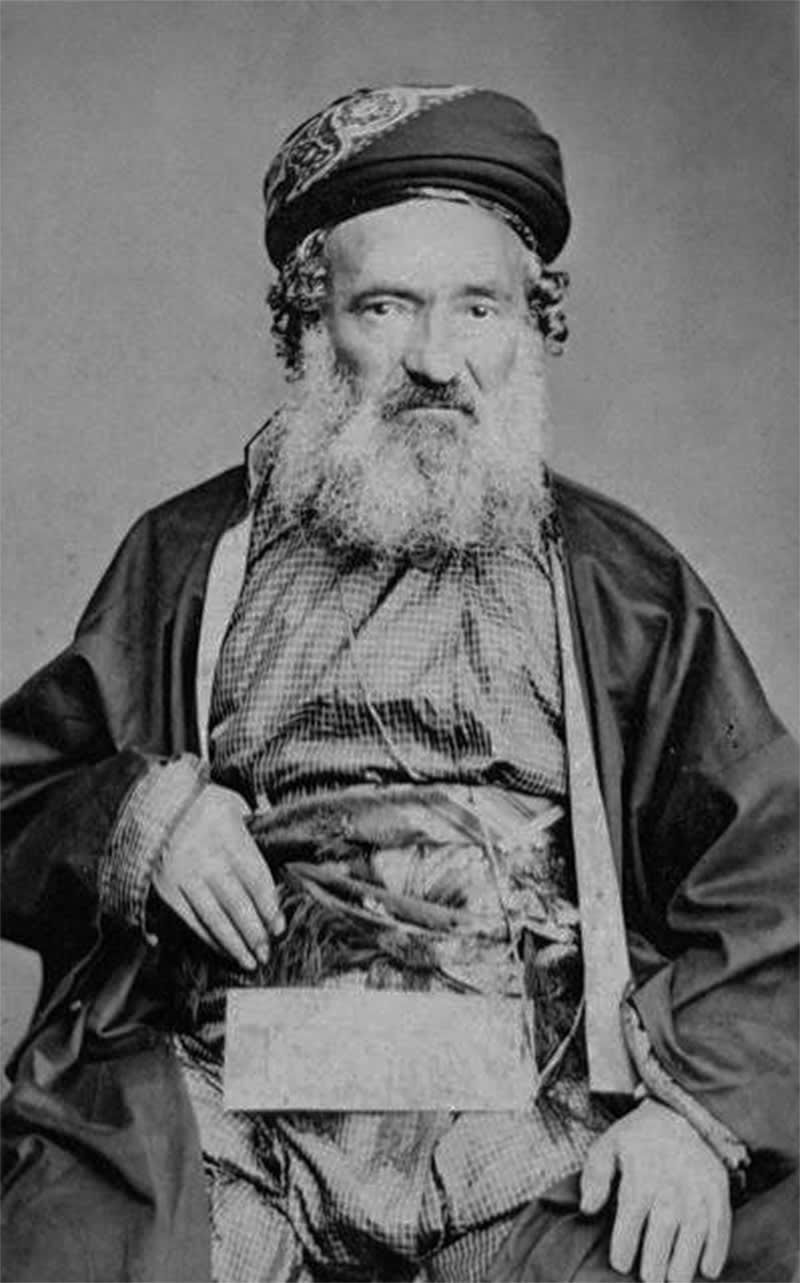
Hiding places for Hebrew manuscripts, a chapter from The Cairo Genizah and the Age of Discovery in Egypt: The History and Provenance of a Jewish Archive tells the story of Jacob Saphir’s findings in the Ben Ezra Synagogue, Old Cairo. It is part of The History of the Ancient World collection.

Read From a Buried Fragment to the Virtual Artefact: A Case Study of Greek Pottery and see how 3D technologies can help with virtual reconstruction and visualization. The chapter is from the Open Access title Digital Techniques for Documenting and Preserving Cultural Heritage, part of the Bloomsbury Medieval Studies Core Collection.
Looking for more digital objects? Explore the museum images in Bloomsbury Cultural History and Bloomsbury Medieval Studies Core Collection.
All collections are available via subscription or perpetual access, find out more.
Image credits
The 63rd page of the Book of Hours c. 1460–1465, by Master of the Boston City of God, Wikimedia
Excavations at Atapuerca, Spain, by Mario Modesto Mata, Wikimedia
The Roman ruins of Timgad, Algeria, by Dan Sloan, Wikimedia
Jacob Saphir by Mort at Hebrew Wikipedia, Wikimedia
Different viewpoint renderings of the virtually reconstructed kantharos. © Athena Research Center, Xanthi, 2016.
