



johndoe@gmail.com

Mansa Musa, the ninth Emperor of the Mali Empire, may be the most famous Malian because of his extreme generosity in distributing gold during his travels and therefore triggering a decade of severe inflation for Cairo’s economy. However, these articles, eBook chapters and images show that Mali is a country which has a rich and complicated history which stretches from ancient universities to civil strife and military coups. They are all free to read until the end of April 2026.
To explore more, browse the content you have by places such as Mali.

The discipline of history is often shaped by terminology and categorisation which has been developed from a European perspective. For example it is challenging to group African history within the concept of a ‘medieval’ time period since it falsely groups the range of premodern experiences as comparable.
Read this entry by Adam Simmons on African Periodization and the ‘Medieval’ World, in The Encyclopedia of the Global Middle Ages, part of the Bloomsbury Medieval Studies Core Collection.
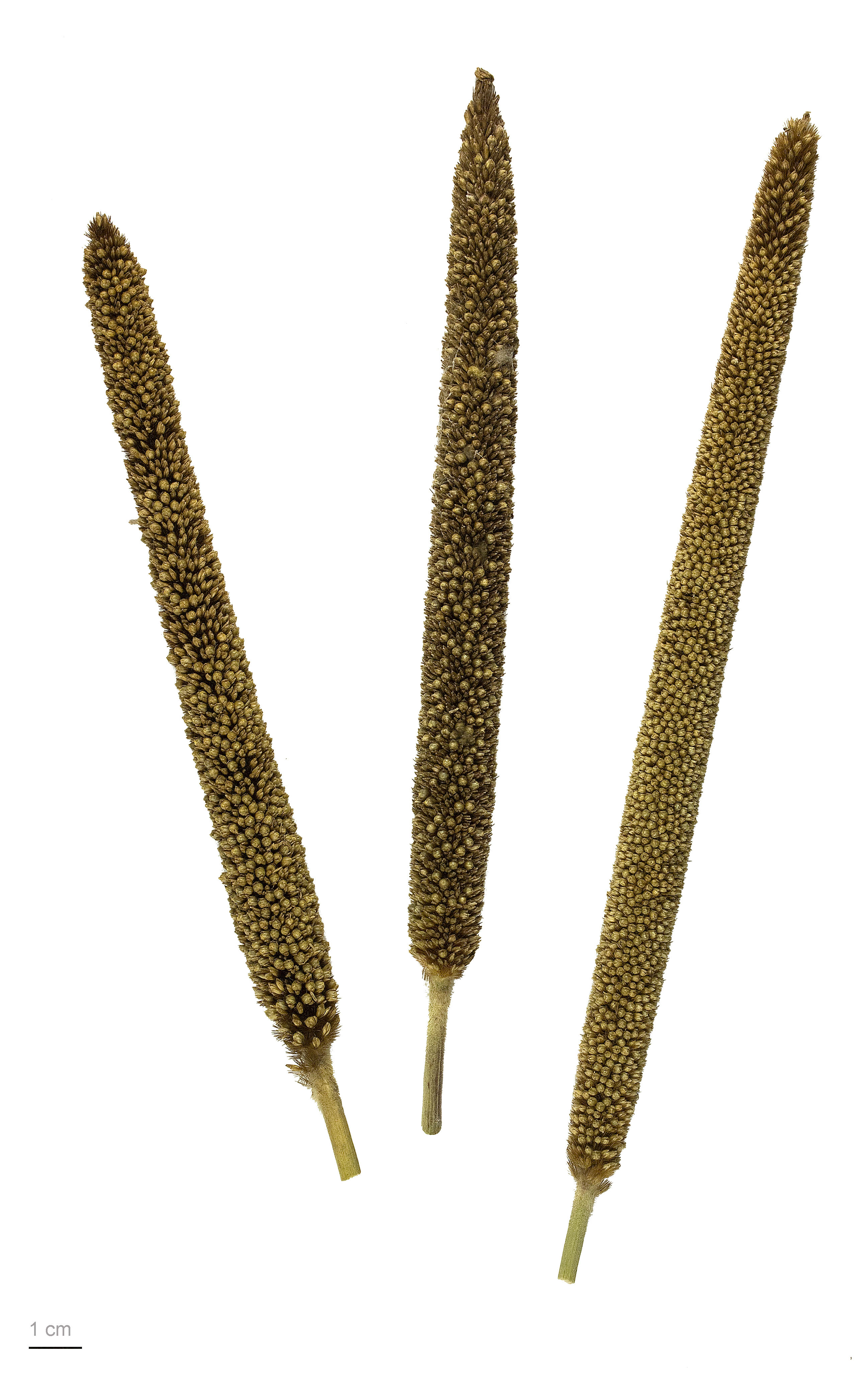
Over 4,500 years ago the agro-pastoralist people in Mali’s Tilemsi Valley grew pearl millet, making it the earliest grain domesticated in Africa, and spread its use across the savannah zones through their movement.
Read this chapter from A Cultural History of Plants in Antiquity, from Bloomsbury Cultural History collection to learn more about the early domestication of grain and rice across Mali.
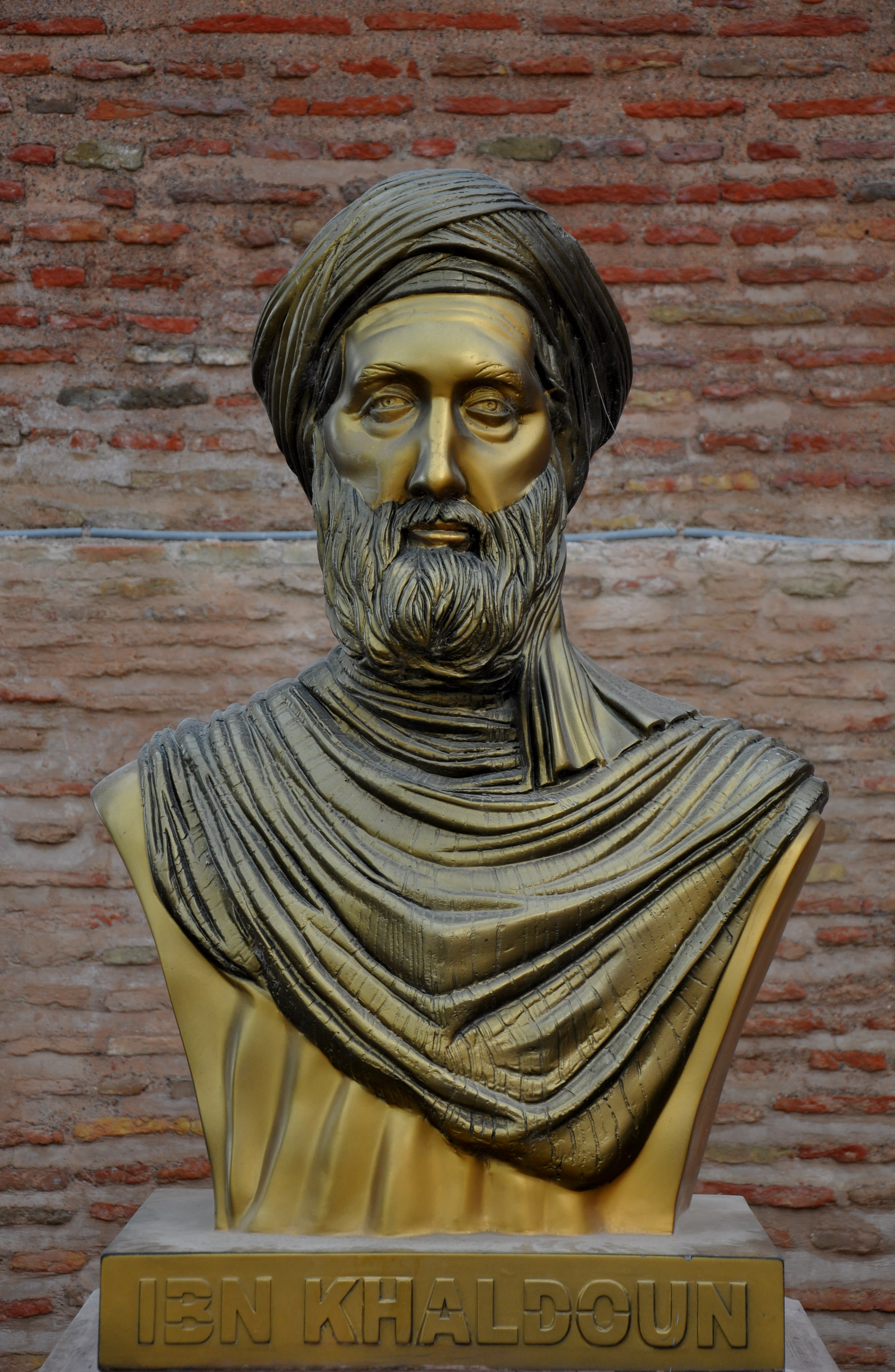
Although the famous Arab historian Ibn Khaldûn never visited Mali in person, he drew on information he gathered from travellers to write about the Malian Empire in his famous historiographic text. It chronicles the history of Berbers and Islam within the region and is also seen as a precursor text to the modern discipline of social science.
Read this Classic Text in Context article on The Muqaddima of Ibn Khaldûn from Bloomsbury History: Theory and Method to understand this key work.

Mali includes one of the oldest cities in sub-Saharan Africa, Dejenné, and by the 13th century it played a key role as a trading hub. The city hosted specialised craft workshops, creating a distinct sculptural approach and a community of skilled craftspeople.
Look at this sculpture of a seated figure from the Bloomsbury Medieval Studies Core Collection, deeply absorbed in thought or prayer with raised ornamentation across its back.

The Tuareg are known for the tagelmust (indigo face veil) which is worn by men and so are also known as ‘the Blue People of the Sahara’. As semi-nomadic pastoralists they rely on camel and livestock herding across Saharan routes but they have been deeply affected by the wider political events and climate disaster in Mali, prompting their involvement in a series of rebellions.
Read this entry about Tuareg Rebellions in the Historical Dictionary of the Berbers (Imazighen) from the African History Reference Library.
All collections are available via subscription or perpetual access, find out more.
Image credits
Timbuktu manuscripts, Wikimedia
Pearl millet seed heads by Roger Culos, Wikimedia
Bust of Ibn Khaldun, by Reda Kerbush, Wikimedia
Tuareg with a sword in Timbuktu, Mali, by Dr. Ondřej Havelka, Wikimedia
